Description
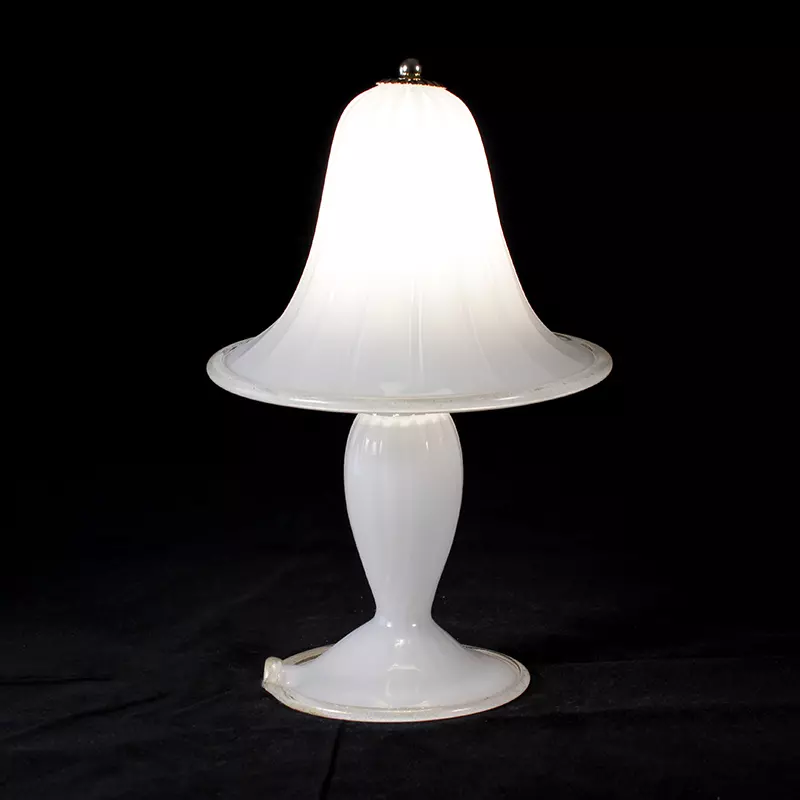
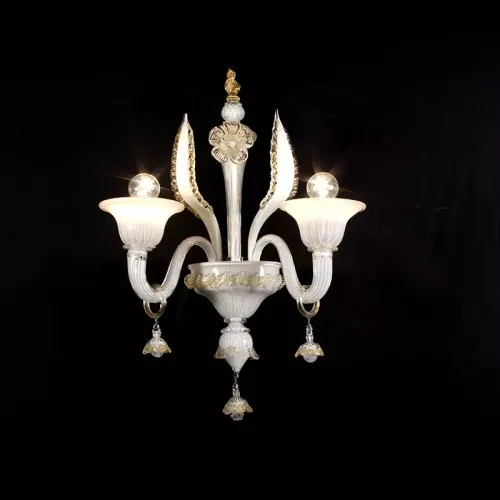
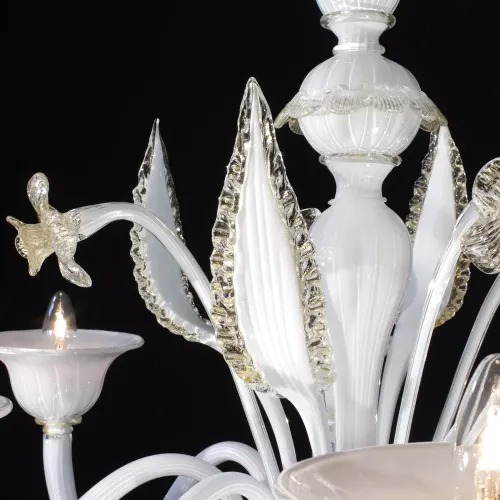
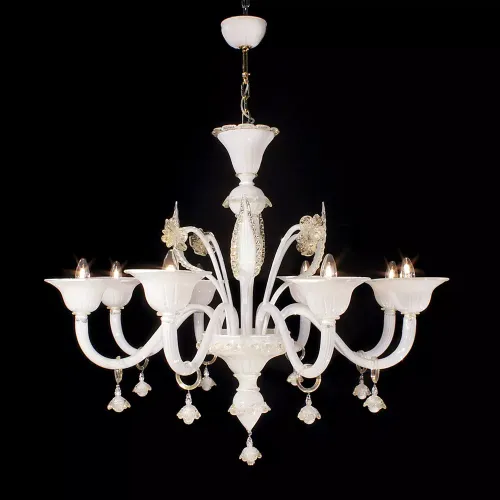
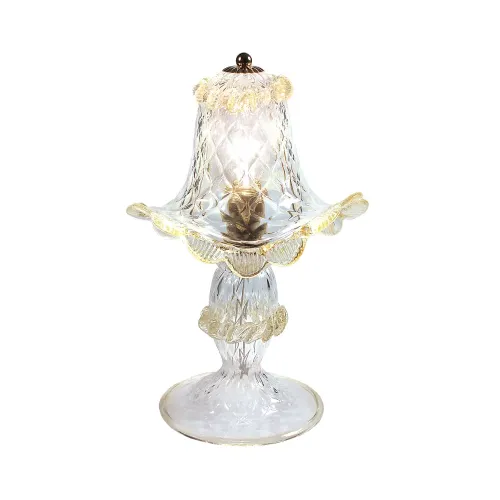
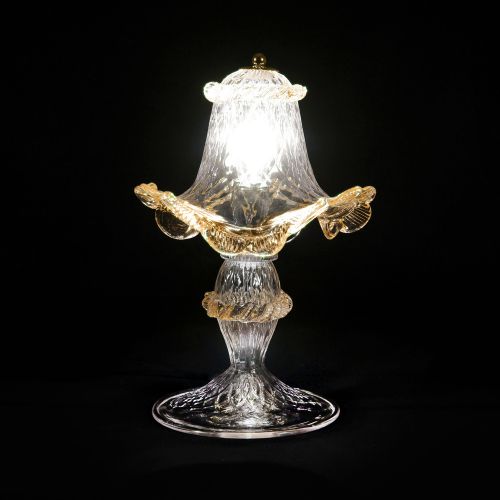
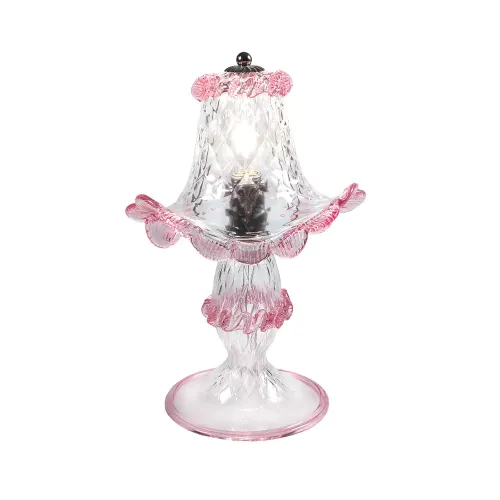
Handcrafted lamp by Murano masters, rediscovering the history of the Venetian traditions of glass art with the precision and attention to detail that sets us apart.
Every step of the workmanship is handcrafted, and the item ordered will be made expressly for your home.
Comes with Belvetro Murano Certificate of Guarantee and Authenticity.
Delivery is in 30-40 days by 100% insured express courier.
Would you like more information? Don’t hesitate to contact us, we will be happy to help you choose your Murano object, a value that lasts.
PAULICIUS ANAPHAESTUS, THE FIRST DOGE
The figure of the first Venetian doge, Paulicio Anafesto is shrouded in legend. The information about it is scarce, lacking certain historical documents, and sometimes contradictory, but it is nonetheless important because it conveys decisive aspects of an era, the one at the turn of the 700s and 800s, where official Byzantine power had to confront the pressures of the Lombards, the church, and the territorial claims of the early Venetians. Among the certainties, etymology: doge derives from dux, duke.
History or legend, Paulicius is nevertheless remembered as a balanced governor who promoted a peace treaty with the Lombard king Liutprand in which the boundaries between the Venetian constituency and the Lombard territories were defined. Paulicius also seems to have had disagreements with the Patriarch of Grado, the reasons, however, are unknown.
He died probably in 717, for some from natural causes for others he was the victim of a revolt moved by some inhabitants of Malamocco and Equilo (present-day Jesolo) in the course of which his sons were also killed. It is widely believed that he was buried in Heraclea and was succeeded by such a Marcellus his political collaborator, the first to actually be called “doge.”
According to other scholars, the first doge elected by the Venetians was instead such a Orso (who according to tradition turns out to be the third doge after Paulicius and Marcellus) came to power in 726 after a revolt against the then Emperor Leo III of Byzantium. According to this reconstruction Paolicio would be a contraction of Paulus patricius, meaning the noble Paul, the exarch of Ravenna